
Studies of Psychology and Behavior ›› 2026, Vol. 24 ›› Issue (1): 32-39.DOI: 10.12139/j.1672-0628.2026.01.004
• ? • Previous Articles Next Articles
Qingqing LI1,2, Yan WEI1, Aibao ZHOU*,1( )
)
Received:2025-03-22
Online:2026-01-20
Published:2026-01-20
Contact:
Aibao ZHOU
李青青1,2, 魏燕1, 周爱保*,1()
通讯作者:
周爱保
基金资助:Qingqing LI, Yan WEI, Aibao ZHOU. The Incubation Effect Mechanism of Prototype Inspiration in Divergent Thinking[J]. Studies of Psychology and Behavior, 2026, 24(1): 32-39.
李青青, 魏燕, 周爱保. 发散思维中原型启发的酝酿效应机制[J]. 心理与行为研究, 2026, 24(1): 32-39.
Add to citation manager EndNote|Ris|BibTeX
URL: https://psybeh.tjnu.edu.cn/EN/10.12139/j.1672-0628.2026.01.004
| 原型题目 | 1 | 2 | 3 | 4 | 5 |
| 1.蝴蝶隐喻梁山伯与祝英台。 | 50(66.7%) | 23(30.7%) | 2(2.7%) | 0 | 0 |
| 2.蝴蝶隐喻自我拯救。 | 6(8.0%) | 16(21.3%) | 42(56.0%) | 9(12.0%) | 2(2.7%) |
| 3.蝴蝶隐喻下腹蝴蝶颤动综合征。 | 0 | 1(1.3%) | 8(10.7%) | 19(25.3%) | 47(62.7%) |
| 4.戒指隐喻爱情。 | 64(85.3%) | 11(14.7%) | 0 | 0 | 0 |
| 5.戒指隐喻困兽。 | 4(5.3%) | 15(20.0%) | 37(49.3%) | 11(14.7%) | 8(10.7%) |
| 6.戒指隐喻朝廷后宫。 | 0 | 0 | 1(1.3%) | 25(33.3%) | 49(65.3%) |
| 7.皇冠隐喻权利。 | 62(82.7%) | 12(16.0%) | 1(1.3%) | 0 | 0 |
| 8.皇冠隐喻荆棘丛。 | 10(13.3%) | 20(26.7%) | 33(44.0%) | 7(9.3%) | 5(6.7%) |
| 9.皇冠隐喻元福。 | 0 | 0 | 1(1.3%) | 16(21.3%) | 58(77.3%) |
| 10.围巾隐喻冬天。 | 62(82.7%) | 13(17.3%) | 0 | 0 | 0 |
| 11.围巾隐喻装在套子里的人。 | 8(10.7%) | 11(14.7%) | 41(54.7%) | 10(13.3%) | 5(6.7%) |
| 12.围巾隐喻尼美斯。 | 0 | 0 | 2(2.7%) | 18(24.0%) | 55(73.3%) |
| 13.玫瑰隐喻浪漫。 | 66(88.0%) | 9(12.0%) | 0 | 0 | 0 |
| 14.玫瑰隐喻洋葱。 | 1(1.3%) | 7(9.3%) | 42(56.0%) | 13(17.3%) | 12(16.0%) |
| 15.玫瑰隐喻父权制。 | 0 | 0 | 1(1.3%) | 21(28.0%) | 53(70.7%) |
| 16.蜡烛隐喻教师。 | 63(84.0%) | 12(16.0%) | 0 | 0 | 0 |
| 17.蜡烛隐喻粉笔。 | 17(22.7%) | 18(24.0%) | 29(38.7%) | 8(10.7%) | 3(4.0%) |
| 18.蜡烛隐喻拉图尔。 | 0 | 2(2.7%) | 1(1.3%) | 18(24.0%) | 54(72.0%) |
| 19.糖果隐喻万圣节。 | 55(73.3%) | 19(25.3%) | 1(1.3%) | 0 | 0 |
| 20.糖果隐喻束缚的蚕茧。 | 0 | 11(14.7%) | 51(68.0%) | 10(13.3%) | 3(4.0%) |
| 21.糖果隐喻国家机密。 | 0 | 0 | 5(6.7%) | 20(26.7%) | 50(66.7%) |
| 22.筷子隐喻团结。 | 53(70.7%) | 22(29.3%) | 0 | 0 | 0 |
| 23.筷子隐喻天圆地方。 | 1(1.3%) | 16(21.3%) | 45(60.0%) | 10(13.1%) | 3(4.0%) |
| 24.筷子隐喻控制七情六欲。 | 0 | 0 | 3(4.0%) | 28(37.3%) | 44(58.7%) |
| 原型题目 | 1 | 2 | 3 | 4 | 5 |
| 1.蝴蝶隐喻梁山伯与祝英台。 | 50(66.7%) | 23(30.7%) | 2(2.7%) | 0 | 0 |
| 2.蝴蝶隐喻自我拯救。 | 6(8.0%) | 16(21.3%) | 42(56.0%) | 9(12.0%) | 2(2.7%) |
| 3.蝴蝶隐喻下腹蝴蝶颤动综合征。 | 0 | 1(1.3%) | 8(10.7%) | 19(25.3%) | 47(62.7%) |
| 4.戒指隐喻爱情。 | 64(85.3%) | 11(14.7%) | 0 | 0 | 0 |
| 5.戒指隐喻困兽。 | 4(5.3%) | 15(20.0%) | 37(49.3%) | 11(14.7%) | 8(10.7%) |
| 6.戒指隐喻朝廷后宫。 | 0 | 0 | 1(1.3%) | 25(33.3%) | 49(65.3%) |
| 7.皇冠隐喻权利。 | 62(82.7%) | 12(16.0%) | 1(1.3%) | 0 | 0 |
| 8.皇冠隐喻荆棘丛。 | 10(13.3%) | 20(26.7%) | 33(44.0%) | 7(9.3%) | 5(6.7%) |
| 9.皇冠隐喻元福。 | 0 | 0 | 1(1.3%) | 16(21.3%) | 58(77.3%) |
| 10.围巾隐喻冬天。 | 62(82.7%) | 13(17.3%) | 0 | 0 | 0 |
| 11.围巾隐喻装在套子里的人。 | 8(10.7%) | 11(14.7%) | 41(54.7%) | 10(13.3%) | 5(6.7%) |
| 12.围巾隐喻尼美斯。 | 0 | 0 | 2(2.7%) | 18(24.0%) | 55(73.3%) |
| 13.玫瑰隐喻浪漫。 | 66(88.0%) | 9(12.0%) | 0 | 0 | 0 |
| 14.玫瑰隐喻洋葱。 | 1(1.3%) | 7(9.3%) | 42(56.0%) | 13(17.3%) | 12(16.0%) |
| 15.玫瑰隐喻父权制。 | 0 | 0 | 1(1.3%) | 21(28.0%) | 53(70.7%) |
| 16.蜡烛隐喻教师。 | 63(84.0%) | 12(16.0%) | 0 | 0 | 0 |
| 17.蜡烛隐喻粉笔。 | 17(22.7%) | 18(24.0%) | 29(38.7%) | 8(10.7%) | 3(4.0%) |
| 18.蜡烛隐喻拉图尔。 | 0 | 2(2.7%) | 1(1.3%) | 18(24.0%) | 54(72.0%) |
| 19.糖果隐喻万圣节。 | 55(73.3%) | 19(25.3%) | 1(1.3%) | 0 | 0 |
| 20.糖果隐喻束缚的蚕茧。 | 0 | 11(14.7%) | 51(68.0%) | 10(13.3%) | 3(4.0%) |
| 21.糖果隐喻国家机密。 | 0 | 0 | 5(6.7%) | 20(26.7%) | 50(66.7%) |
| 22.筷子隐喻团结。 | 53(70.7%) | 22(29.3%) | 0 | 0 | 0 |
| 23.筷子隐喻天圆地方。 | 1(1.3%) | 16(21.3%) | 45(60.0%) | 10(13.1%) | 3(4.0%) |
| 24.筷子隐喻控制七情六欲。 | 0 | 0 | 3(4.0%) | 28(37.3%) | 44(58.7%) |
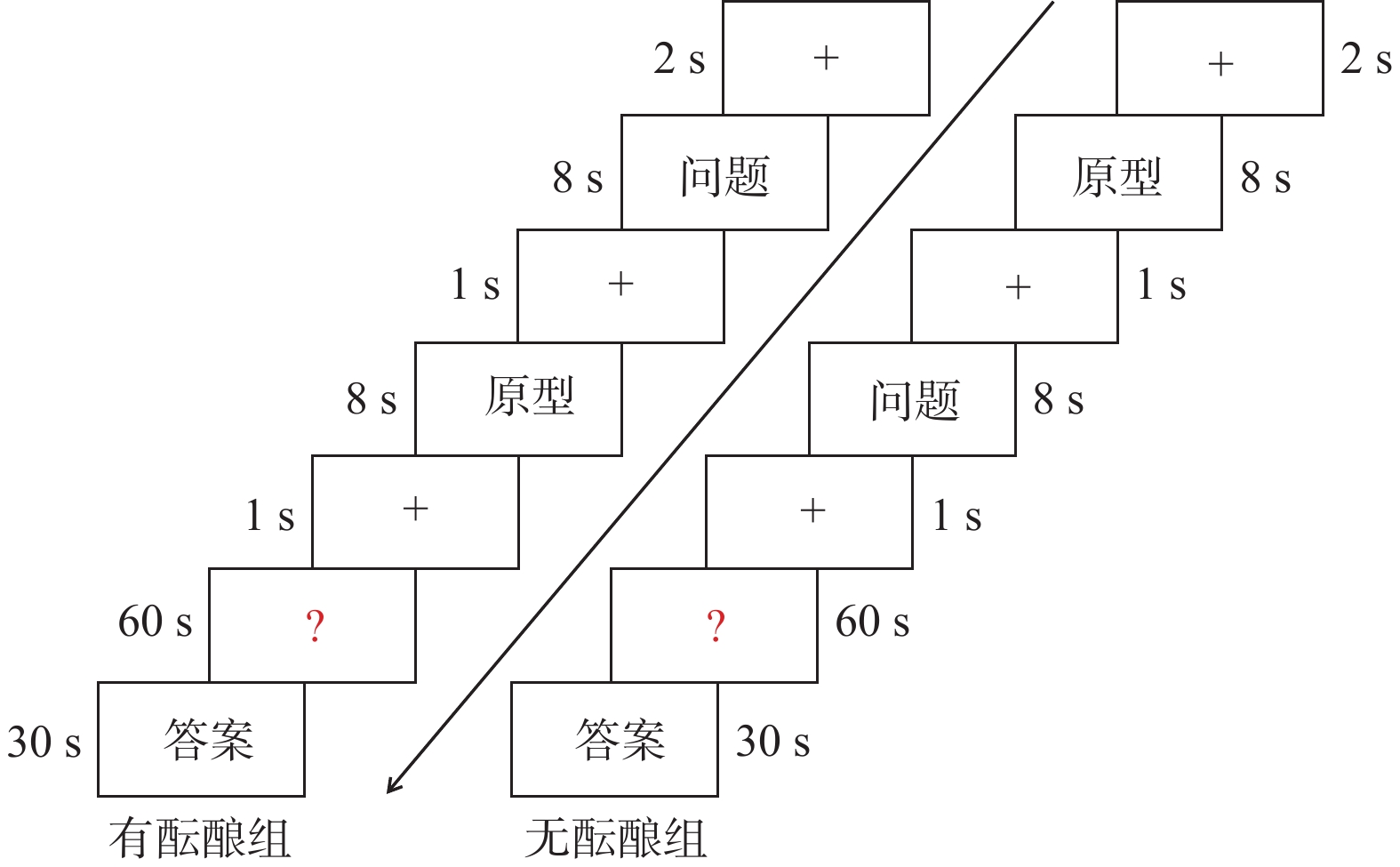
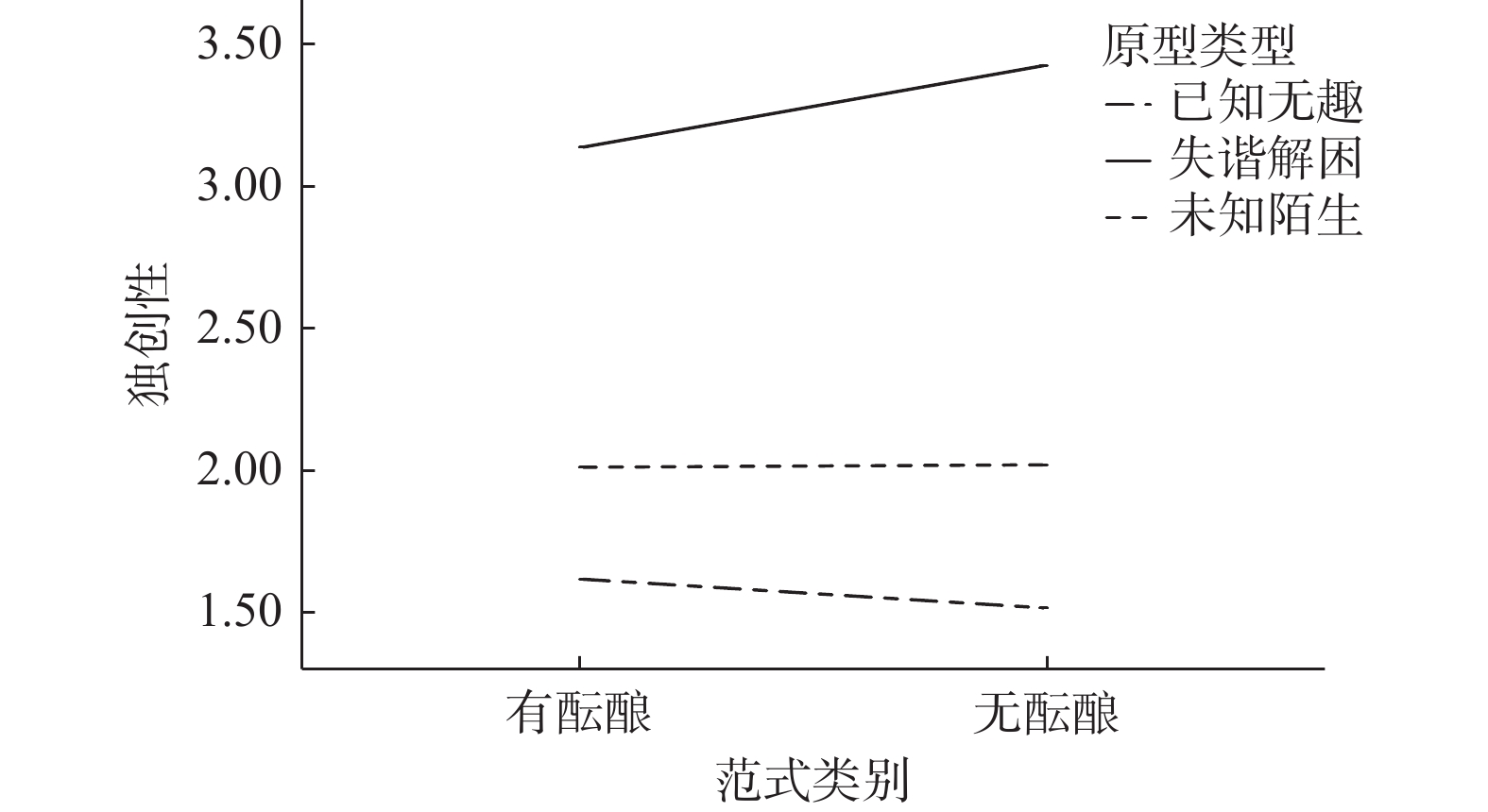
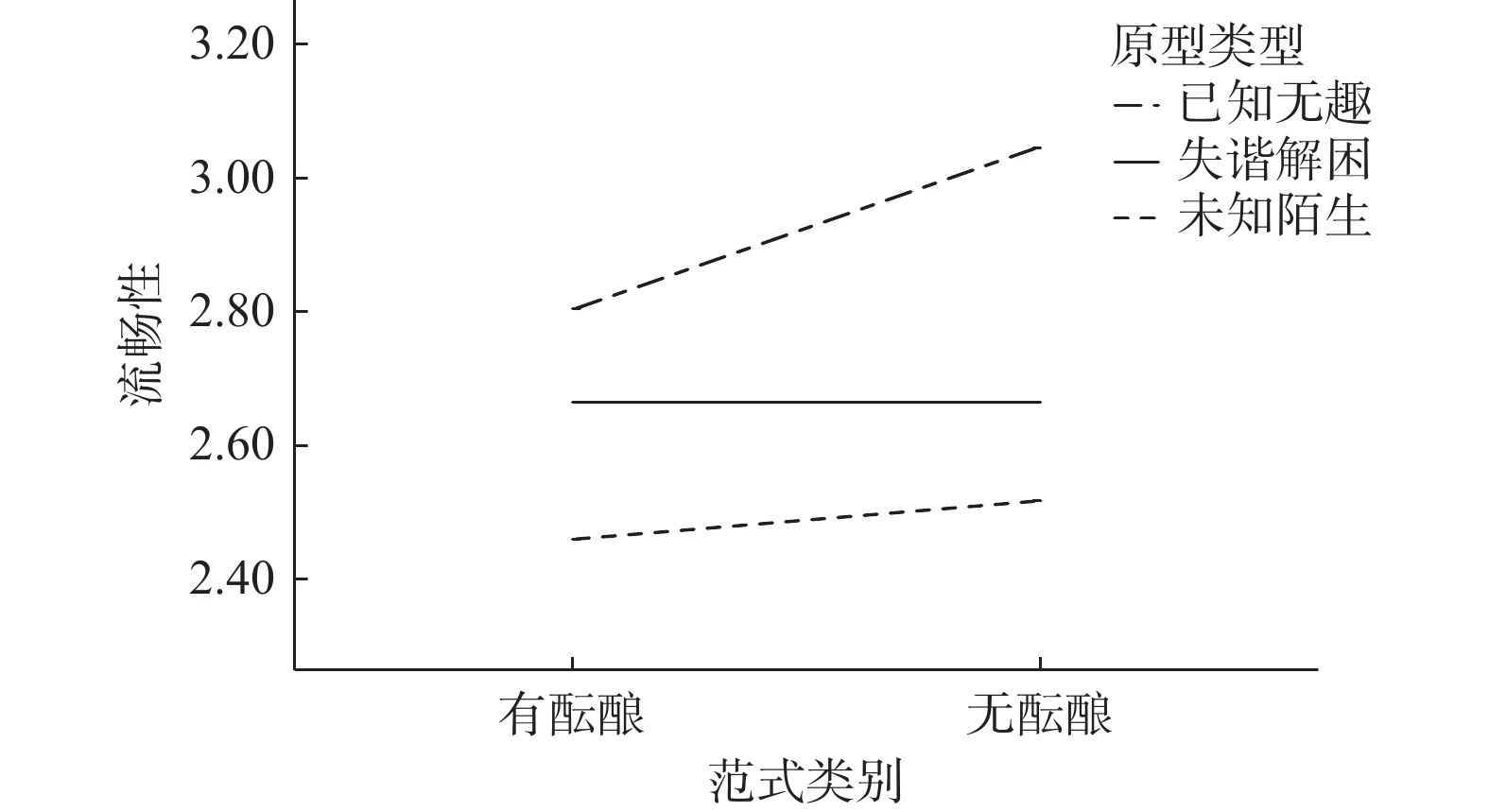
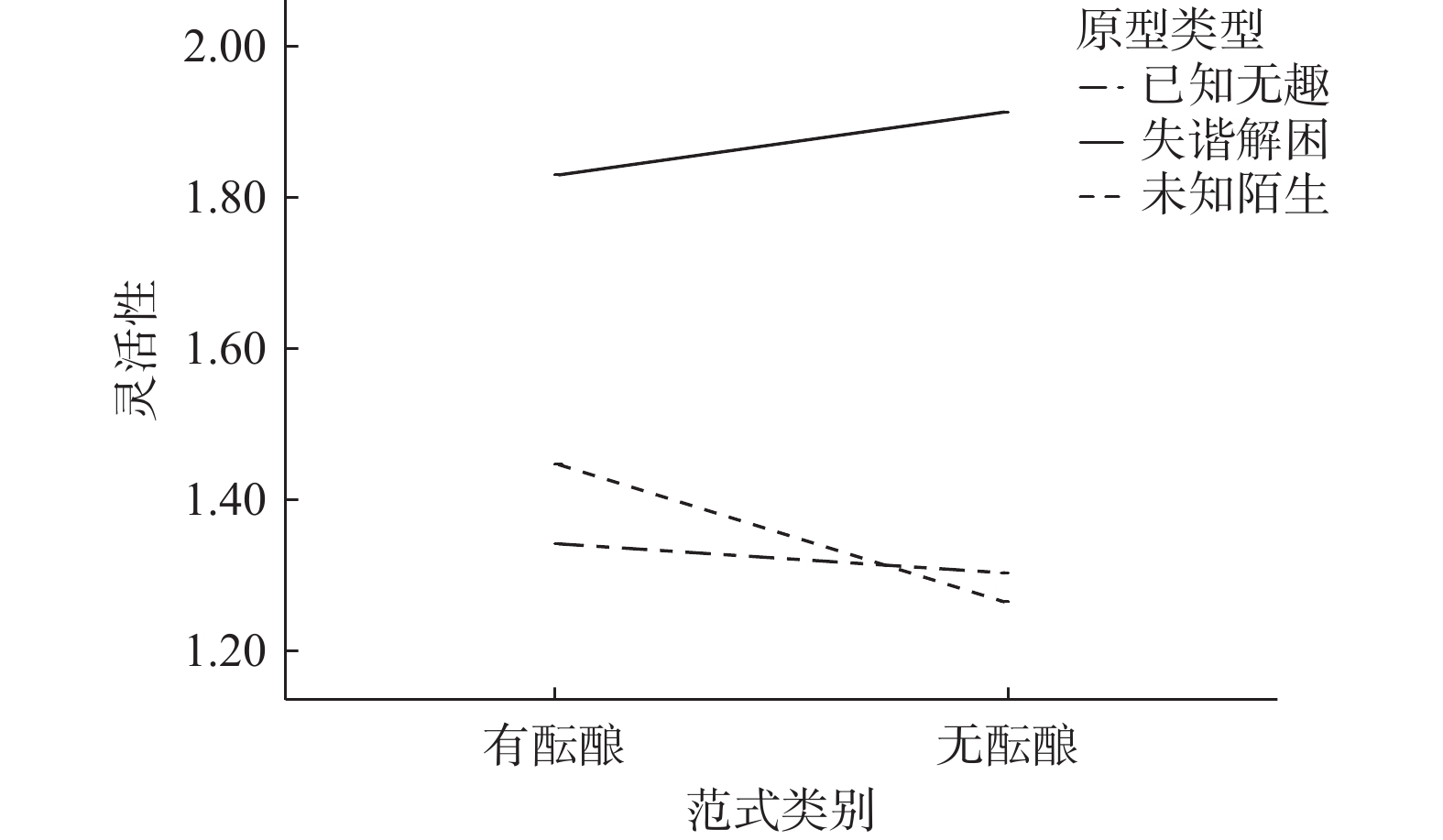
|
郝宁, 赵琪琛. 创造性思维酝酿效应研究进展及其实践隐意. 教育生物学杂志, 2014, 2 (2): 104- 109.
DOI |
|
|
李子逸, 张泽, 张莹, 罗劲. 创造性思维的酝酿效应. 心理科学进展, 2022, 30 (2): 291- 307.
|
|
|
罗俊龙, 李奥斯卡. 双加工视角下的创造性思维研究述评. 西北师大学报(社会科学版), 2018, 55 (1): 110- 114.
DOI |
|
|
滕静, 沈汪兵, 郝宁. 认知控制在发散性思维中的作用. 心理科学进展, 2018, 26 (3): 411- 422.
DOI |
|
|
童丹丹, 史靖靖, 禄鹏, 彭晨宇, 李文福, 张庆林, 邱江. 感觉寻求与模糊容忍度对科学发明问题提出的影响. 心理发展与教育, 2024, 40 (6): 774- 781.
DOI |
|
|
童丹丹, 杨文静, 李亚丹, 郭亚男, 邱江, 张庆林. 发明问题解决中的蔡格尼克效应. 科学通报, 2015, 60 (36): 3583- 3593.
|
|
|
吴真真. (2010). 顿悟过程的原型启发机制(博士学位论文). 西南大学, 重庆.
|
|
|
杨文静, 靳玉乐, 邱江, 张庆林. 问题先导下语义相似性和原型难度对原型启发的影响. 心理学报, 2018, 50 (3): 260- 269.
|
|
|
张亚坤, 陈宁, 陈龙安, 施建农. 让智慧插上创造的翅膀: 创造动力系统的激活及其条件. 心理科学进展, 2021, 29 (4): 707- 722.
|
|
|
朱海雪, 杨春娟, 李文福, 刘鑫, 邱江, 张庆林. 问题解决中顿悟的原型位置效应的fMRI研究. 心理学报, 2012, 44 (8): 1025- 1037.
|
|
|
朱海雪, 朱承亮, 张庆林. 不同范式下科学发明问题解决的原型启发机制. 心理科学, 2020, 43 (4): 815- 820.
DOI |
|
|
Baird, B., Smallwood, J., Mrazek, M. D., Kam, J. W. Y., Franklin, M. S., & Schooler, J. W. Inspired by distraction: Mind wandering facilitates creative incubation. Psychological Science, 2012, 23 (10): 1117- 1122.
DOI |
|
|
Benedek, M., Könen, T., & Neubauer, A. C. (2012). Associative abilities underlying creativity. Psychology of Aesthetics, Creativity, and the Arts, 6(3), 273–281.
|
|
|
Dijksterhuis, A. (2004). Think different: The merits of unconscious thought in preference development and decision making. Journal of Personality and Social Psychology, 87(5), 586–598.
|
|
|
Dijksterhuis, A., & Meurs, T. Where creativity resides: The generative power of unconscious thought. Consciousness and Cognition, 2006, 15 (1): 135- 146.
DOI |
|
|
Gilhooly, K. J., Georgiou, G., & Devery, U. Incubation and creativity: Do something different. Thinking & Reasoning, 2013, 19 (2): 137- 149.
|
|
|
Gilhooly, K. J., Georgiou, G. J., Garrison, J., Reston, J. D., & Sirota, M. Don’t wait to incubate: Immediate versus delayed incubation in divergent thinking. Memory & Cognition, 2012, 40 (6): 966- 975.
|
|
|
Guilford, J. P. (1987). Creativity research: Past, present and future. In S. G. Isaksen (Ed.), Frontiers of creativity research: Beyond the basics (pp. 61–85). Buffalo, NY: Bearly Limited.
|
|
|
Ling, Y. S., Tan, L., Zhang, L. Y., & Cao, G. K. Unconscious processing of prototype heuristics in scientific innovation problem-solving. Frontiers in Psychology, 2023, 14, 1056045.
DOI |
|
|
Lu, C. C. Exploring humorous design techniques in product through incongruity-resolution theory. International Journal of Technology and Design Education, 2023, 33 (3): 1037- 1054.
DOI |
|
|
Mekern, V., Hommel, B., & Sjoerds, Z. Computational models of creativity: A review of single-process and multi-process recent approaches to demystify creative cognition. Current Opinion in Behavioral Sciences, 2019, 27, 47- 54.
DOI |
|
|
Smith, S. M., & Blankenship, S. E. Incubation and the persistence of fixation in problem solving. The American Journal of Psychology, 1991, 104 (1): 61- 87.
DOI |
|
|
Steindorf, L., Hammerton, H. A., & Rummel, J. (2021). Mind wandering outside the box—About the role of off-task thoughts and their assessment during creative incubation. Psychology of Aesthetics, Creativity, and the Arts, 15(4), 584–595.
|
|
|
Tong, D. D., Zhu, H. X., Li, W. F., Yang, W. J., Qiu, J., & Zhang, Q. L. Brain activity in using heuristic prototype to solve insightful problems. Behavioural Brain Research, 2013, 253, 139- 144.
DOI |
|
|
Tsenn, J., Atilola, O., McAdams, D. A., & Linsey, J. S. The effects of time and incubation on design concept generation. Design Studies, 2014, 35 (5): 500- 526.
DOI |
|
|
Ward, T. B. Structured imagination: The role of category structure in exemplar generation. Cognitive Psychology, 1994, 27 (1): 1- 40.
DOI |
|
|
Wiley, J. Expertise as mental set: The effects of domain knowledge in creative problem solving. Memory & Cognition, 1998, 26 (4): 716- 730.
|
|
|
Xie, C., Li, Y. D., Yang, Y. L., Du, Y., & Liu, C. Y. What’s behind deliberation? The effect of task-related mind-wandering on post-incubation creativity. Psychological Research, 2023, 87 (7): 2158- 2170.
DOI |
|
|
Yang, W. J., Green, A. E., Chen, Q. L., Kenett, Y. N., Sun, J. Z., Wei, D. T., & Qiu, J. Creative problem solving in knowledge-rich contexts. Trends in Cognitive Sciences, 2022, 26 (10): 849- 859.
DOI |
|
|
Yaniv, I., & Meyer, D. E. (1987). Activation and metacognition of inaccessible stored information: Potential bases for incubation effects in problem solving. Journal of Experimental Psychology: Learning, Memory, and Cognition, 13(2), 187–205.
|
|
|
Zhu, W. F., Yang, W. J., Ming, D., Qiu, J., Tian, F., Chen, Q. L., ... Zhang, Q. L. Individual differences in brain structure and resting brain function underlie representation-connection in scientific problem solving. Creativity Research Journal, 2019, 31 (2): 132- 148.
DOI |
| [1] | Jianxin CHEN, Zimeng FANG, Rong HUANG, Baoyi YE, Weiping YANG, Liuqing WEI. The Influence of Embodied Emotion on Creative Thinking of Individuals with Depressive Tendency [J]. Studies of Psychology and Behavior, 2024, 22(5): 602-608. |
| [2] | Ke ZHANG, Xiumin DU, Liyan LI, Xuehan ZHANG, Haixia ZHAO. Studies on the Relationship Between Sour Taste and Creativity [J]. Studies of Psychology and Behavior, 2023, 21(6): 815-823. |
| [3] | CHEN Jianxin, WU Li, HUANG Rong, WANG Zhe, CHEN Yue, YANG Weiping. The Influence of Emotional Compatibility on Creative Thinking [J]. Studies of Psychology and Behavior, 2020, 18(4): 433-439. |
| [4] | YAO Haijuan, WANG Jinxia, SU Qingli, BAI Xuejun. The Effects of Embodied Emotion and Creative Thinking: Situational Regulatory Focus as Moderator [J]. Studies of Psychology and Behavior, 2018, 16(4): 441-448. |
| [5] | ZHANG Hongjia, WANG Ling, ZHANG Min. The Relations Among Creative Cognitive Style, Creative Personality, and Creative Thinking [J]. Studies of Psychology and Behavior, 2018, 16(1): 51-57. |
| [6] | Zhang Jinghuan,Li Jianquan,Zheng Xuemei,Zhang Shun,Liu Guirong. On the Relationship between Middle School Students’ Parenting Styles and Creative Thinking: The Mediating Role of Self-Concept [J]. Studies of Psychology and Behavior, 2014, 12(2): 145-150. |
| [7] | Zhang Lihua1,2, Bai Xuejun2, Zhang Xiuhong3. IDENTITY NEGATIVE PRIMING OF UNDERGRADUATES WITH DIFFERENT CREATIVE THINKING ABILITY [J]. , 2007, 5(2): 112-115. |
| Viewed | ||||||
|
Full text |
|
|||||
|
Abstract |
|
|||||
