
Studies of Psychology and Behavior ›› 2025, Vol. 23 ›› Issue (5): 612-619.DOI: 10.12139/j.1672-0628.2025.05.005
• ? • Previous Articles Next Articles
Xuan GAO, Rui WANG, Yutong LI*( ), Xue SUI*()
Received:2024-08-19
Online:2025-09-20
Published:2025-09-20
Contact:
Yutong LI, Xue SUI
高璇, 王瑞, 李雨桐*(), 隋雪*()
通讯作者:
李雨桐, 隋雪
基金资助:Xuan GAO, Rui WANG, Yutong LI, Xue SUI. The Development of Children’s Emotional Recognition: A Study Based on Speech and Face Priming[J]. Studies of Psychology and Behavior, 2025, 23(5): 612-619.
高璇, 王瑞, 李雨桐, 隋雪. 儿童情绪识别能力的发展:基于言语与面孔启动的研究[J]. 心理与行为研究, 2025, 23(5): 612-619.
Add to citation manager EndNote|Ris|BibTeX
URL: https://psybeh.tjnu.edu.cn/EN/10.12139/j.1672-0628.2025.05.005
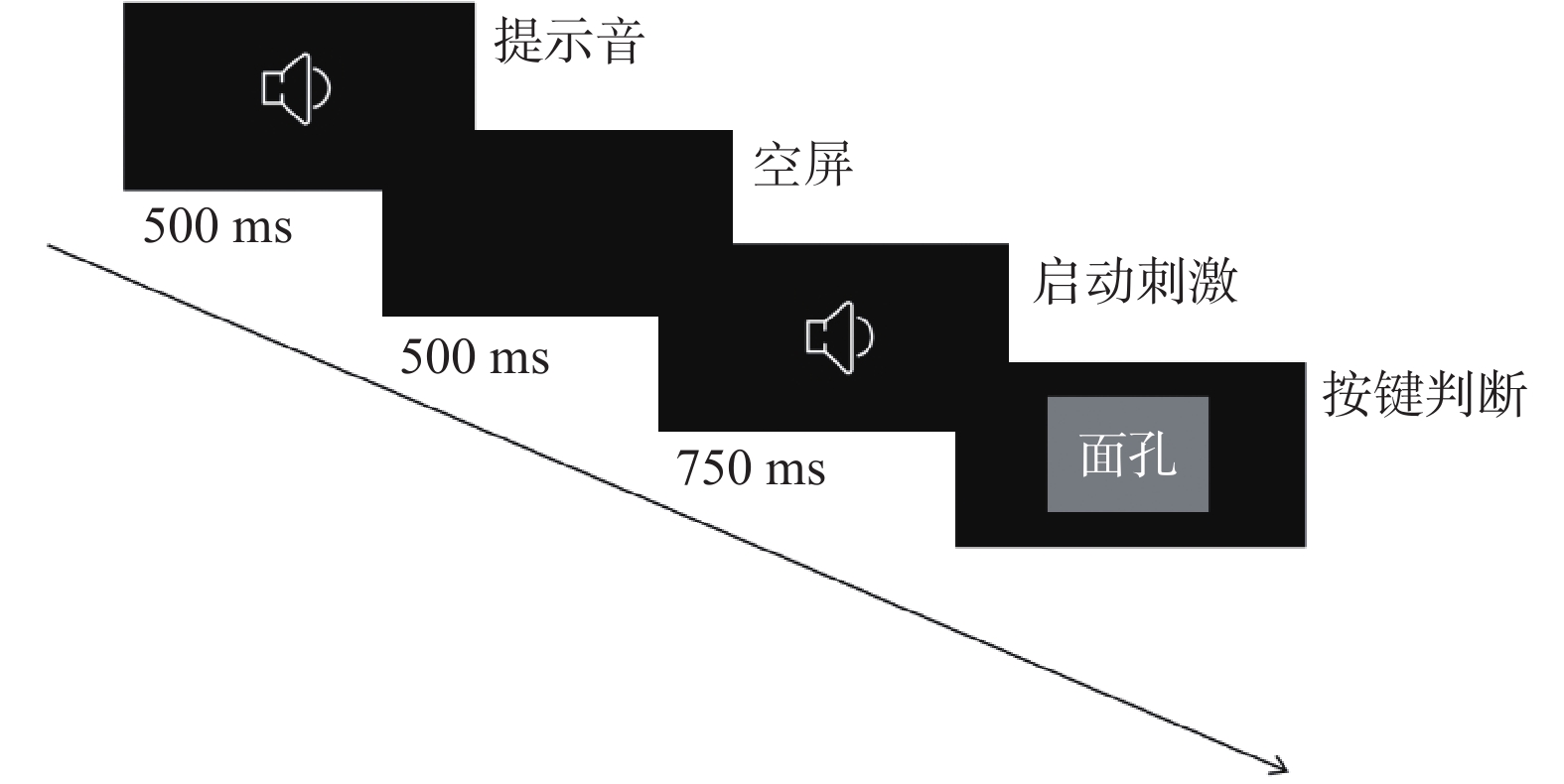
| 年龄(岁) | 启动词汇类型 | 目标面孔类型 | 反应时(ms) | 正确率 |
| 7 | 积极 | 积极 | 1792±209 | 0.94±0.05 |
| 消极 | 2044±311 | 0.92±0.08 | ||
| 消极 | 积极 | 2370±319 | 0.81±0.11 | |
| 消极 | 1769±301 | 0.95±0.05 | ||
| 9 | 积极 | 积极 | 1293±437 | 0.92±0.08 |
| 消极 | 1680±447 | 0.94±0.11 | ||
| 消极 | 积极 | 1570±339 | 0.94±0.07 | |
| 消极 | 1477±533 | 0.94±0.08 | ||
| 11 | 积极 | 积极 | 992±435 | 0.94±0.06 |
| 消极 | 1214±134 | 0.95±0.04 | ||
| 消极 | 积极 | 1182±235 | 0.92±0.06 | |
| 消极 | 1109±148 | 0.95±0.04 |
| 年龄(岁) | 启动词汇类型 | 目标面孔类型 | 反应时(ms) | 正确率 |
| 7 | 积极 | 积极 | 1792±209 | 0.94±0.05 |
| 消极 | 2044±311 | 0.92±0.08 | ||
| 消极 | 积极 | 2370±319 | 0.81±0.11 | |
| 消极 | 1769±301 | 0.95±0.05 | ||
| 9 | 积极 | 积极 | 1293±437 | 0.92±0.08 |
| 消极 | 1680±447 | 0.94±0.11 | ||
| 消极 | 积极 | 1570±339 | 0.94±0.07 | |
| 消极 | 1477±533 | 0.94±0.08 | ||
| 11 | 积极 | 积极 | 992±435 | 0.94±0.06 |
| 消极 | 1214±134 | 0.95±0.04 | ||
| 消极 | 积极 | 1182±235 | 0.92±0.06 | |
| 消极 | 1109±148 | 0.95±0.04 |
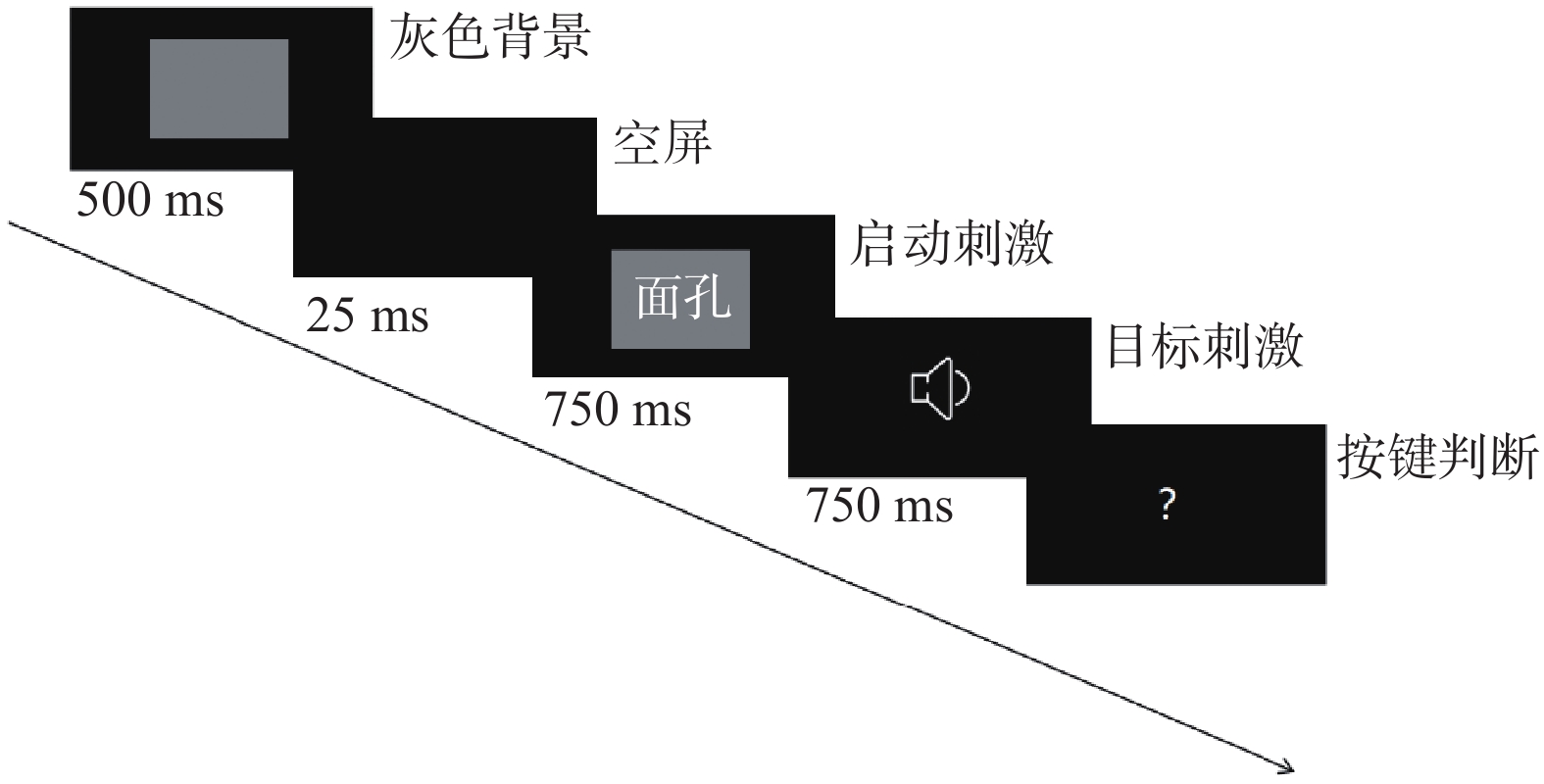
| 年龄(岁) | 启动面孔类型 | 目标词汇类型 | 反应时(ms) | 正确率 |
| 7 | 积极 | 积极 | 1951±823 | 0.91±0.07 |
| 消极 | 2266±804 | 0.78±0.11 | ||
| 消极 | 积极 | 2091±798 | 0.84±0.09 | |
| 消极 | 2042±773 | 0.88±0.08 | ||
| 9 | 积极 | 积极 | 1776±647 | 0.95±0.07 |
| 消极 | 2069±623 | 0.88±0.09 | ||
| 消极 | 积极 | 1961±598 | 0.90±0.08 | |
| 消极 | 1812±602 | 0.93±0.09 | ||
| 11 | 积极 | 积极 | 1020±415 | 0.98±0.03 |
| 消极 | 1212±450 | 0.92±0.11 | ||
| 消极 | 积极 | 1166±421 | 0.94±0.09 | |
| 消极 | 1100±353 | 0.96±0.04 |
| 年龄(岁) | 启动面孔类型 | 目标词汇类型 | 反应时(ms) | 正确率 |
| 7 | 积极 | 积极 | 1951±823 | 0.91±0.07 |
| 消极 | 2266±804 | 0.78±0.11 | ||
| 消极 | 积极 | 2091±798 | 0.84±0.09 | |
| 消极 | 2042±773 | 0.88±0.08 | ||
| 9 | 积极 | 积极 | 1776±647 | 0.95±0.07 |
| 消极 | 2069±623 | 0.88±0.09 | ||
| 消极 | 积极 | 1961±598 | 0.90±0.08 | |
| 消极 | 1812±602 | 0.93±0.09 | ||
| 11 | 积极 | 积极 | 1020±415 | 0.98±0.03 |
| 消极 | 1212±450 | 0.92±0.11 | ||
| 消极 | 积极 | 1166±421 | 0.94±0.09 | |
| 消极 | 1100±353 | 0.96±0.04 |
|
龚栩, 黄宇霞, 王妍, 罗跃嘉. 中国面孔表情图片系统的修订. 中国心理卫生杂志, 2011, 25 (1): 40- 46.
|
|
|
姜帆, 刘永兵. 听觉启动刺激具体性对外语词语音位表征的影响. 现代外语, 2015, 38 (4): 526- 533.
|
|
|
刘文娟, 沈曼琼, 李莹, 王瑞明. 情绪概念加工与情绪面孔知觉的相互影响. 心理学报, 2016, 48 (2): 163- 173.
|
|
|
刘亚, 王振宏, 孔风. 情绪具身观: 情绪研究的新视角. 心理科学进展, 2011, 19 (1): 50- 59.
|
|
|
张芳文, 马骁, 马谐. 语言差异对跨通道情绪启动效应的影响. 心理与行为研究, 2020, 18 (4): 452- 459.
|
|
|
Camacho, M. C., Nielsen, A. N., Balser, D., Furtado, E., Steinberger, D. C., Fruchtman, L., ... Barch, D. M. Large-scale encoding of emotion concepts becomes increasingly similar between individuals from childhood to adolescence. Nature Neuroscience, 2023, 26 (7): 1256- 1266.
DOI |
|
|
Casey, B. J., Tottenham, N., Liston, C., & Durston, S. Imaging the developing brain: What have we learned about cognitive development. Trends in Cognitive Sciences, 2005, 9 (3): 104- 110.
DOI |
|
|
Durand, K., Gallay, M., Seigneuric, A., Robichon, F., & Baudouin, J. Y. The development of facial emotion recognition: The role of configural information. Journal of Experimental Child Psychology, 2007, 97 (1): 14- 27.
DOI |
|
|
Erickson, K., & Schulkin, J. Facial expressions of emotion: A cognitive neuroscience perspective. Brain and Cognition, 2003, 52 (1): 52- 60.
DOI |
|
|
Faul, F., Erdfelder, E., Lang, A. G., & Buchner, A. G* Power 3: A flexible statistical power analysis program for the social, behavioral, and biomedical sciences. Behavior Research Methods, 2007, 39 (2): 175- 191.
DOI |
|
|
Filippi, P., Ocklenburg, S., Bowling, D. L., Heege, L., Güntürkün, O., Newen, A., & De Boer, B. More than words (and faces): Evidence for a Stroop effect of prosody in emotion word processing. Cognition and Emotion, 2017, 31 (5): 879- 891.
DOI |
|
|
Gee, D. G., Humphreys, K. L., Flannery, J., Goff, B., Telzer, E. H., Shapiro, M., ... Tottenham, N. A developmental shift from positive to negative connectivity in human amygdala-prefrontal circuitry. The Journal of Neuroscience, 2013, 33 (10): 4584- 4593.
DOI |
|
|
Gendron, M., Lindquist, K. A., Barsalou, L., & Barrett, L. F. Emotion words shape emotion percepts. Emotion, 2012, 12 (2): 314- 325.
DOI |
|
|
Grosse, G., Streubel, B., Gunzenhauser, C., & Saalbach, H. Let’s talk about emotions: The development of children’s emotion vocabulary from 4 to 11 years of age. Affective Science, 2021, 2 (2): 150- 162.
DOI |
|
|
Happé, F., & Frith, U. Annual research review: Towards a developmental neuroscience of atypical social cognition. Journal of Child Psychology and Psychiatry, 2014, 55 (6): 553- 577.
DOI |
|
|
Kim, J., Schultz, J., Rohe, T., Wallraven, C., Lee, S. W., & Bülthoff, H. H. Abstract representations of associated emotions in the human brain. The Journal of Neuroscience, 2015, 35 (14): 5655- 5663.
DOI |
|
|
Kousta, S. T., Vigliocco, G., Vinson, D. P., Andrews, M., & Del Campo, E. The representation of abstract words: Why emotion matters. Journal of Experimental Psychology: General, 2011, 140 (1): 14- 34.
DOI |
|
|
Leitzke, B. T., & Pollak, S. D. Developmental changes in the primacy of facial cues for emotion recognition. Developmental Psychology, 2016, 52 (4): 572- 581.
DOI |
|
|
Li, L., Yang, Y., Song, M., Fang, S. Y., Zhang, M. Y., Chen, Q. R., & Cai, Q. CCLOWW: A grade-level Chinese children’s lexicon of written words. Behavior Research Methods, 2023, 55 (4): 1874- 1889.
|
|
|
Mather, M., & Carstensen, L. L. Aging and motivated cognition: The positivity effect in attention and memory. Trends in Cognitive Sciences, 2005, 9 (10): 496- 502.
DOI |
|
|
Ogren, M., & Johnson, S. P. Factors facilitating early emotion understanding development: Contributions to individual differences. Human Development, 2020, 64 (3): 108- 118.
DOI |
|
|
Ogren, M., LoBue, V., & Sandhofer, C. M. How do emotion words impact children’s emotion learning. Developmental Psychology, 2025, 61 (4): 641- 648.
DOI |
|
|
Ogren, M., & Sandhofer, C. M. Emotion words in early childhood: A language transcript analysis. Cognitive Development, 2021, 60, 101122.
DOI |
|
|
Ogren, M., & Sandhofer, C. M. Emotion words link faces to emotional scenarios in early childhood. Emotion, 2022, 22 (1): 167- 178.
DOI |
|
|
Öhman, A. The role of the amygdala in human fear: Automatic detection of threat. Psychoneuroendocrinology, 2005, 30 (10): 953- 958.
DOI |
|
|
Ross, P., Atkins, B., Allison, L., Simpson, H., Duffell, C., Williams, M., & Ermolina, O. Children cannot ignore what they hear: Incongruent emotional information leads to an auditory dominance in children. Journal of Experimental Child Psychology, 2021, 204, 105068.
DOI |
|
|
Ruffman, T., Kong, Q. Y., Lim, H. M., Du, K. N., & Tiainen, E. Recognition of facial emotions across the lifespan: 8-year-olds resemble older adults. British Journal of Developmental Psychology, 2023, 41 (2): 128- 139.
DOI |
|
|
Sabater, L., Ponari, M., Haro, J., Fernández-Folgueiras, U., Moreno, E. M., Pozo, M. A., ... Hinojosa, J. A. The acquisition of emotion-laden words from childhood to adolescence. Current Psychology, 2023, 42 (33): 29280- 29290.
DOI |
|
|
Székely, E., Tiemeier, H., Arends, L. R., Jaddoe, V. W. V., Hofman, A., Verhulst, F. C., & Herba, C. M. Recognition of facial expressions of emotions by 3-year-olds. Emotion, 2011, 11 (2): 425- 435.
DOI |
|
|
Tompkinson, J., Mileva, M., Watt, D., & Mike Burton, A. Perception of threat and intent to harm from vocal and facial cues. Quarterly Journal of Experimental Psychology, 2024, 77 (2): 326- 342.
DOI |
|
|
Tottenham, N., Hare, T. A., & Casey, B. J. Behavioral assessment of emotion discrimination, emotion regulation, and cognitive control in childhood, adolescence, and adulthood. Frontiers in Psychology, 2011, 2, 39.
|
|
|
Vaillant-Molina, M., & Bahrick, L. E. The role of intersensory redundancy in the emergence of social referencing in 5½-month-old infants. Developmental Psychology, 2012, 48 (1): 1- 9.
DOI |
|
|
Vesker, M., Bahn, D., Kauschke, C., & Schwarzer, G. Developmental changes in gaze behavior and the effects of auditory emotion word priming in emotional face categorization. Multisensory Research, 2022, 35 (2): 109- 129.
|
|
|
Vesker, M., Bahn, D., Kauschke, C., Tschense, M., Degé, F., & Schwarzer, G. Auditory emotion word primes influence emotional face categorization in children and adults, but not vice versa. Frontiers in Psychology, 2018, 9, 618.
DOI |
|
|
Vine, V., Boyd, R. L., & Pennebaker, J. W. Natural emotion vocabularies as windows on distress and well-being. Nature Communications, 2020, 11 (1): 4525.
DOI |
|
|
Vuilleumier, P. How brains beware: Neural mechanisms of emotional attention. Trends in Cognitive Sciences, 2005, 9 (12): 585- 594.
DOI |
|
|
Widen, S. C. Children’s interpretation of facial expressions: The long path from valence-based to specific discrete categories. Emotion Review, 2013, 5 (1): 72- 77.
DOI |
|
|
Widen, S. C., & Russell, J. A. Children acquire emotion categories gradually. Cognitive Development, 2008, 23 (2): 291- 312.
DOI |
|
|
Young, A. W., Frühholz, S., & Schweinberger, S. R. Face and voice perception: Understanding commonalities and differences. Trends in Cognitive Sciences, 2020, 24 (5): 398- 410.
DOI |
| [1] | Xuliang ZHANG, Lang XIE, Shuqi YIN, Keke YU, Ruiming WANG. Lexical Properties and Cognitive Processing Differences Between the Violent Words and Emotional Words [J]. Studies of Psychology and Behavior, 2024, 22(3): 289-296. |
| [2] | Cheng QIAN, Yue ZHAO, Xixi NIU, Jiacan GU, Aijun WANG. Effects of Emotional Faces on Inhibition of Return in Three-Dimensional Space [J]. Studies of Psychology and Behavior, 2024, 22(1): 8-14. |
| [3] | ZHAO Siyi, LI Ying, WANG Yue. The Metaphorical Association Between Valence and Space Influences Emotional Word Learning in Adults and Children [J]. Studies of Psychology and Behavior, 2022, 20(2): 153-159. |
| [4] | ZHANG Fangwen, MA Xiao, MA Xie. The Influence of Language Differences on the Cross-Modal Priming Effect of Emotion [J]. Studies of Psychology and Behavior, 2020, 18(4): 452-459. |
| [5] | REN Yu, HAO Fang. The Influence of Emotional Perception and Interpersonal Distance on Altruistic Option [J]. Studies of Psychology and Behavior, 2018, 16(3): 321-326. |
| Viewed | ||||||
|
Full text |
|
|||||
|
Abstract |
|
|||||
