
Studies of Psychology and Behavior ›› 2026, Vol. 24 ›› Issue (3): 312-319.DOI: 10.12139/j.1672-0628.2026.03.004
• ? • Previous Articles Next Articles
Pinchao LUO*,1,2,3,4( ), Jiaxian LUO1,2,3,4, Zixiu LU5, Xianzhe LI*,1,2,3,4()
Received:2024-11-15
Online:2026-05-20
Published:2026-05-20
Contact:
Pinchao LUO, Xianzhe LI
罗品超*,1,2,3,4(), 罗佳娴1,2,3,4, 陆子秀5, 李显哲*,1,2,3,4()
通讯作者:
罗品超, 李显哲
基金资助:CLC Number:
Pinchao LUO, Jiaxian LUO, Zixiu LU, Xianzhe LI. The Effect of Social Exclusion on Perceptual Sensitivity to Emotional Expressions in High and Low Aggression Adolescents[J]. Studies of Psychology and Behavior, 2026, 24(3): 312-319.
罗品超, 罗佳娴, 陆子秀, 李显哲. 社会排斥对高低攻击特质青少年情绪表情知觉敏感性的影响[J]. 心理与行为研究, 2026, 24(3): 312-319.
Add to citation manager EndNote|Ris|BibTeX
URL: https://psybeh.tjnu.edu.cn/EN/10.12139/j.1672-0628.2026.03.004
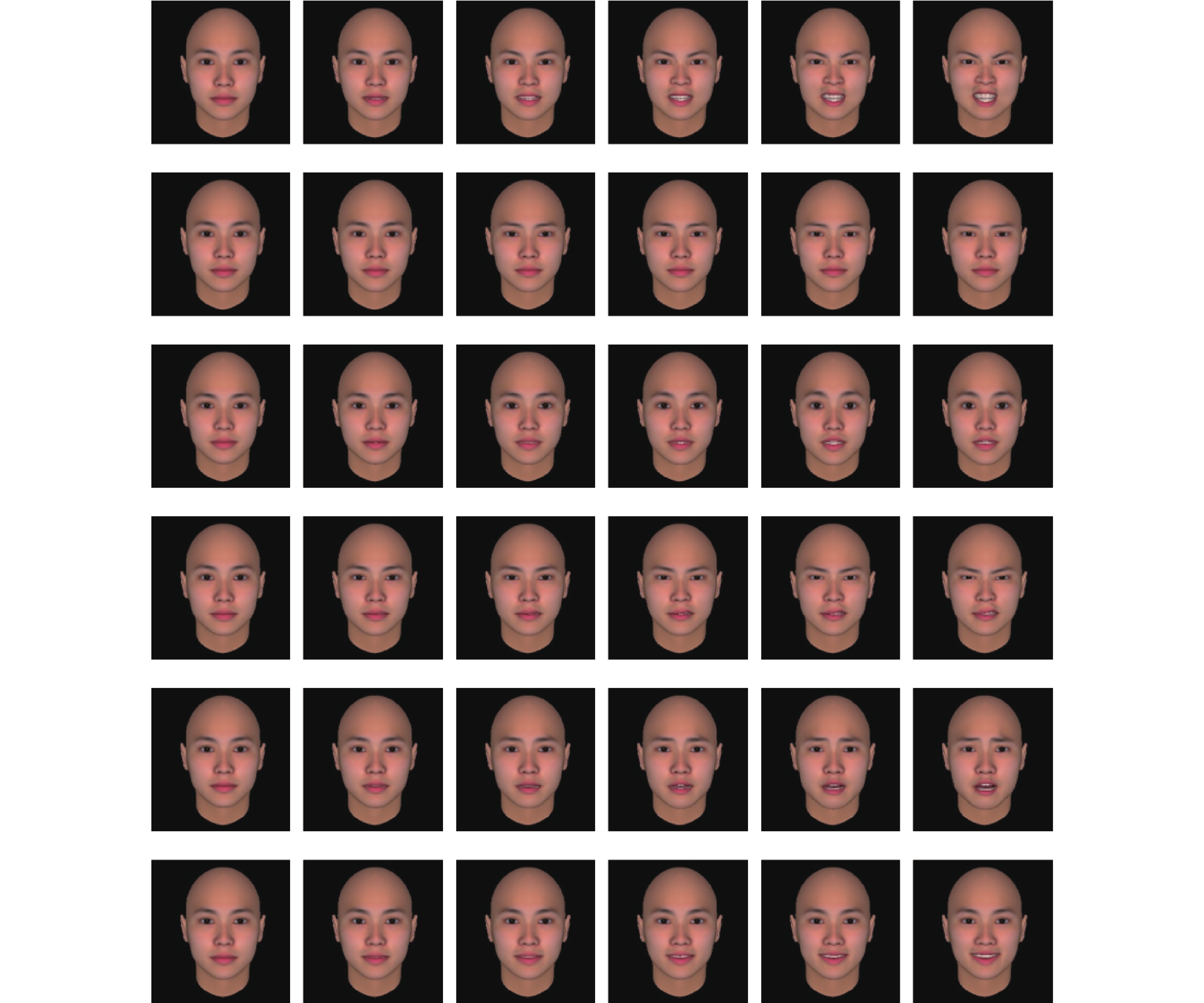
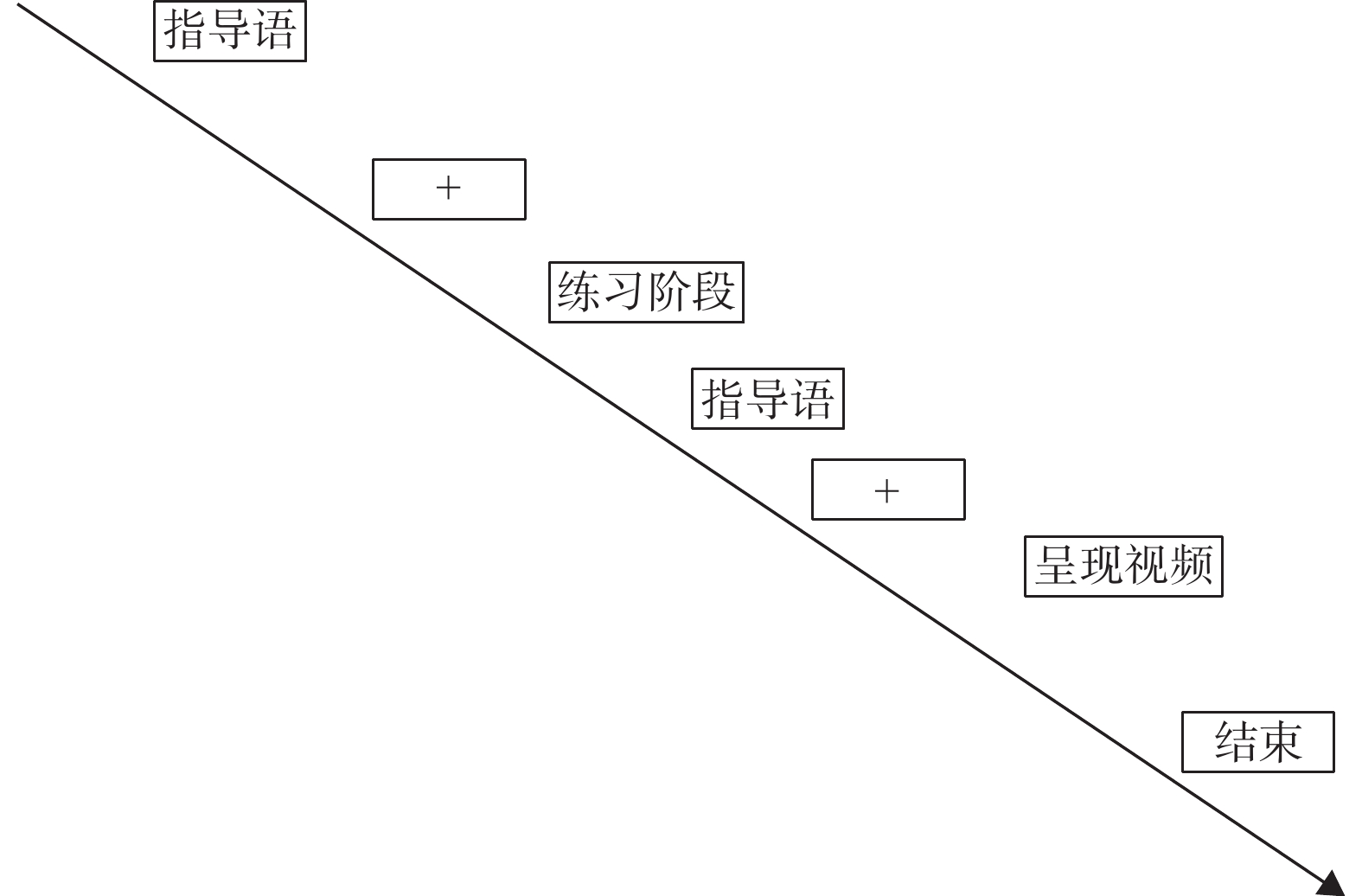
| 组别 | 性别 | 愤怒 | 悲伤 | 惊讶 | 厌恶 | 恐惧 | 快乐 | 总体 |
| 低攻击 | 男 | 3402±1387 | 5613±1666 | 4353±2102 | 3980±1136 | 4543±1830 | 4363±1698 | 4376±1186 |
| 女 | 3844±2467 | 4530±2184 | 4971±2610 | 3893±2132 | 3766±2339 | 3394±2348 | 4066±1892 | |
| 高攻击 | 男 | 3071±1820 | 6872±2147 | 5003±2300 | 3869±1540 | 4938±2408 | 4631±2600 | 4731±1731 |
| 女 | 2027±1084 | 6158±2181 | 3337±1062 | 4183±2388 | 4159±2594 | 3358±2705 | 3870±1688 |
| 组别 | 性别 | 愤怒 | 悲伤 | 惊讶 | 厌恶 | 恐惧 | 快乐 | 总体 |
| 低攻击 | 男 | 3402±1387 | 5613±1666 | 4353±2102 | 3980±1136 | 4543±1830 | 4363±1698 | 4376±1186 |
| 女 | 3844±2467 | 4530±2184 | 4971±2610 | 3893±2132 | 3766±2339 | 3394±2348 | 4066±1892 | |
| 高攻击 | 男 | 3071±1820 | 6872±2147 | 5003±2300 | 3869±1540 | 4938±2408 | 4631±2600 | 4731±1731 |
| 女 | 2027±1084 | 6158±2181 | 3337±1062 | 4183±2388 | 4159±2594 | 3358±2705 | 3870±1688 |
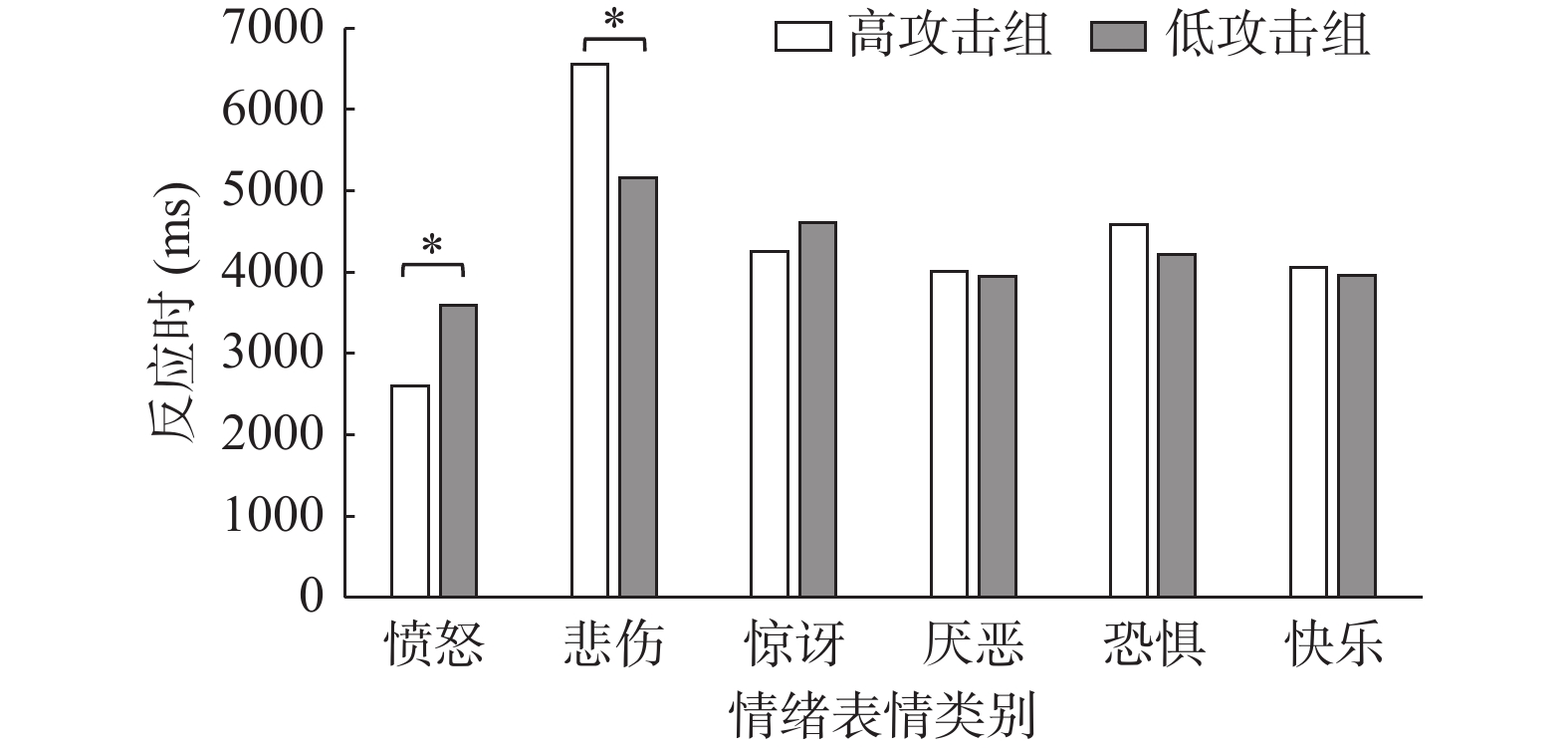
| 情绪类型 | 低攻击 | 高攻击 | |||
| M | SD | M | SD | ||
| 中性→愤怒 | 3587 | 1890 | 2603 | 1599 | |
| 中性→悲伤 | 5159 | 1943 | 6552 | 2154 | |
| 中性→惊讶 | 4612 | 2308 | 4256 | 2007 | |
| 中性→厌恶 | 3944 | 1597 | 4010 | 1934 | |
| 中性→恐惧 | 4217 | 2059 | 4589 | 2479 | |
| 中性→快乐 | 3957 | 2018 | 4060 | 2678 | |
| 情绪类型 | 低攻击 | 高攻击 | |||
| M | SD | M | SD | ||
| 中性→愤怒 | 3587 | 1890 | 2603 | 1599 | |
| 中性→悲伤 | 5159 | 1943 | 6552 | 2154 | |
| 中性→惊讶 | 4612 | 2308 | 4256 | 2007 | |
| 中性→厌恶 | 3944 | 1597 | 4010 | 1934 | |
| 中性→恐惧 | 4217 | 2059 | 4589 | 2479 | |
| 中性→快乐 | 3957 | 2018 | 4060 | 2678 | |
| 条件 | M±SD | df | t | p |
| 中性→愤怒前 | 3587±1890 | 30 | 2.31 | 0.028 |
| 中性→愤怒后 | 2868±1262 | |||
| 中性→悲伤前 | 5159±1943 | 30 | 1.92 | 0.065 |
| 中性→悲伤后 | 4505±1834 | |||
| 中性→惊讶前 | 4612±2308 | 30 | 3.02 | 0.005 |
| 中性→惊讶后 | 3391±1388 | |||
| 中性→厌恶前 | 3944±1597 | 30 | 1.23 | 0.229 |
| 中性→厌恶后 | 3507±1110 | |||
| 中性→恐惧前 | 4217±2059 | 30 | 1.11 | 0.276 |
| 中性→恐惧后 | 3793±1420 | |||
| 中性→快乐前 | 3957±2018 | 30 | 1.97 | 0.059 |
| 中性→快乐后 | 3241±1569 |
| 条件 | M±SD | df | t | p |
| 中性→愤怒前 | 3587±1890 | 30 | 2.31 | 0.028 |
| 中性→愤怒后 | 2868±1262 | |||
| 中性→悲伤前 | 5159±1943 | 30 | 1.92 | 0.065 |
| 中性→悲伤后 | 4505±1834 | |||
| 中性→惊讶前 | 4612±2308 | 30 | 3.02 | 0.005 |
| 中性→惊讶后 | 3391±1388 | |||
| 中性→厌恶前 | 3944±1597 | 30 | 1.23 | 0.229 |
| 中性→厌恶后 | 3507±1110 | |||
| 中性→恐惧前 | 4217±2059 | 30 | 1.11 | 0.276 |
| 中性→恐惧后 | 3793±1420 | |||
| 中性→快乐前 | 3957±2018 | 30 | 1.97 | 0.059 |
| 中性→快乐后 | 3241±1569 |
| 条件 | M±SD | df | t | p |
| 中性→愤怒前 | 2603±1599 | 28 | 0.19 | 0.853 |
| 中性→愤怒后 | 2558±1550 | |||
| 中性→悲伤前 | 6552±2153 | 28 | 4.05 | <0.001 |
| 中性→悲伤后 | 5481±2129 | |||
| 中性→惊讶前 | 4256±2007 | 28 | 2.07 | 0.048 |
| 中性→惊讶后 | 3690±2153 | |||
| 中性→厌恶前 | 4010±1934 | 28 | 1.02 | 0.316 |
| 中性→厌恶后 | 3679±1364 | |||
| 中性→恐惧前 | 4589±2479 | 28 | −0.44 | 0.665 |
| 中性→恐惧后 | 4812±2335 | |||
| 中性→快乐前 | 4060±2678 | 28 | 0.22 | 0.826 |
| 中性→快乐后 | 3923±2274 |
| 条件 | M±SD | df | t | p |
| 中性→愤怒前 | 2603±1599 | 28 | 0.19 | 0.853 |
| 中性→愤怒后 | 2558±1550 | |||
| 中性→悲伤前 | 6552±2153 | 28 | 4.05 | <0.001 |
| 中性→悲伤后 | 5481±2129 | |||
| 中性→惊讶前 | 4256±2007 | 28 | 2.07 | 0.048 |
| 中性→惊讶后 | 3690±2153 | |||
| 中性→厌恶前 | 4010±1934 | 28 | 1.02 | 0.316 |
| 中性→厌恶后 | 3679±1364 | |||
| 中性→恐惧前 | 4589±2479 | 28 | −0.44 | 0.665 |
| 中性→恐惧后 | 4812±2335 | |||
| 中性→快乐前 | 4060±2678 | 28 | 0.22 | 0.826 |
| 中性→快乐后 | 3923±2274 |
|
程苏, 刘璐, 郑涌. 社会排斥的研究范式与理论模型. 心理科学进展, 2011, 19 (6): 905- 915.
|
|
|
高鑫艳. 社会排斥后的行为反应研究综述. 心理学进展, 2022, 12 (4): 997- 1004.
DOI |
|
|
加尼亚·赛力克. (2020). 网络排斥引发大学生更多攻击行为: 安全依恋的中介作用(硕士学位论文). 华东师范大学, 上海.
|
|
|
李献云, 费立鹏, 张亚利, 牛雅娟, 童永胜, 杨少杰. Buss和Perry攻击问卷中文版的修订和信效度. 中国神经精神疾病杂志, 2011, 37 (10): 607- 613.
DOI |
|
|
彭艳燕, 胡喆, 陆艳平, 朱冬梅, 魏强. 我国攻击性个体情绪识别的研究变迁: 基于CiteSpace的可视化分析. 心理学进展, 2023, 13 (9): 4043- 4054.
|
|
|
邱方晖, 罗跃嘉, 贾世伟. 个体攻击性对愤怒表情类别知觉的影响. 心理学报, 2016, 48 (8): 946- 956.
DOI |
|
|
孙丽君, 牛更枫, 李俊一, 杜红芹, 衡书鹏, 胡祥恩, 罗艳艳. 高低特质攻击个体对威胁面部表情识别的差异研究——来自ERP的证据. 心理科学, 2020, 43 (5): 1026- 1033.
DOI |
|
|
陶明, 高静芳. 修订焦虑自评量表(SAS-CR)的信度及效度. 中国神经精神疾病杂志, 1994, 20 (5): 301- 303.
|
|
|
王斯文. (2020). 小学高年级面部表情知觉与攻击行为的关系及其干预研究(硕士学位论文). 吉林师范大学, 四平.
|
|
|
杨静, 陶嵘, 陈锐娟. 不同情绪状态下自动表达抑制对情绪及表情知觉敏感性的影响. 心理科学, 2013, 36 (5): 1085- 1092.
|
|
|
杨晓莉, 信同童, 毛玉翠. 社会排斥的研究范式述评及其对结果的影响. 中国临床心理学杂志, 2019, 27 (2): 237- 241.
DOI |
|
|
Adesanya, D. O., Johnson, J., & Galanter, C. A. Assessing and treating aggression in children and adolescents. Pediatric Medicine, 2022, 5, 18.
DOI |
|
|
Blakemore, S. J. The social brain in adolescence. Nature Reviews Neuroscience, 2008, 9 (4): 267- 277.
DOI |
|
|
Buckley, K. E., Winkel, R. E., & Leary, M. R. Reactions to acceptance and rejection: Effects of level and sequence of relational evaluation. Journal of Experimental Social Psychology, 2004, 40 (1): 14- 28.
DOI |
|
|
Cannavò, M., Zomparelli, W., Carta, M. G., Romano, F., & La Torre, G. Effectiveness of a training on the recognition of subtle facial emotions in health and social workers. Rivista Di Psichiatria, 2021, 56 (6): 334- 339.
DOI |
|
|
Carr, M. B., & Lutjemeier, J. A. The relation of facial affect recognition and empathy to delinquency in youth offenders. Adolescence, 2005, 40 (159): 601- 619.
|
|
|
Chen, Z. S., Dewall, C. N., Poon, K. T., & Chen, E. W. When destiny hurts: Implicit theories of relationships moderate aggressive responses to ostracism. Journal of Experimental Social Psychology, 2012, 48 (5): 1029- 1036.
DOI |
|
|
Daudelin-Peltier, C., Forget, H., Blais, C., Deschênes, A., & Fiset, D. The effect of acute social stress on the recognition of facial expression of emotions. Scientific Reports, 2017, 7 (1): 1036.
DOI |
|
|
Dou, H., Lei, Y., Cheng, X., Wang, J., & Leppänen, P. Social exclusion influences conditioned fear acquisition and generalization: A mediating effect from the medial prefrontal cortex. NeuroImage, 2020, 218, 116735.
DOI |
|
|
Ekman, P., & Friesen, W. V. Constants across cultures in the face and emotion. Journal of Personality and Social Psychology, 1971, 17 (2): 124- 129.
DOI |
|
|
Engelskirchen, L., Asbrand, J., & Tuschen-Caffier, B. Investigating social exclusion, affect and emotion regulation in young people using the ostracism online paradigm. Scientific Reports, 2025, 15 (1): 24110.
DOI |
|
|
Fontaine, J. R. J., Scherer, K. R., Roesch, E. B., & Ellsworth, P. C. The world of emotions is not two-dimensional. Psychological Science, 2007, 18 (12): 1050- 1057.
DOI |
|
|
Hartgerink, C. H. J., van Beest, I., Wicherts, J. M., & Williams, K. D. The ordinal effects of ostracism: A meta-analysis of 120 Cyberball studies. PLoS One, 2015, 10 (5): e0127002.
DOI |
|
|
Lawrence, K., Campbell, R., & Skuse, D. Age, gender, and puberty influence the development of facial emotion recognition. Frontiers in Psychology, 2015, 6, 761.
DOI |
|
|
Leary, M. R., Kowalski, R. M., Smith, L., & Phillips, S. Teasing, rejection, and violence: Case studies of the school shootings. Aggressive Behavior, 2003, 29 (3): 202- 214.
DOI |
|
|
Leary, M. R., Twenge, J. M., & Quinlivan, E. Interpersonal rejection as a determinant of anger and aggression. Personality and Social Psychology Review, 2006, 10 (2): 111- 132.
DOI |
|
|
Malone, A., Carroll, A., & Murphy, B. P. Facial affect recognition deficits: A potential contributor to aggression in psychotic illness. Aggression and Violent Behavior, 2012, 17 (1): 27- 35.
DOI |
|
|
Marsh, A. A., & Blair, R. J. R. Deficits in facial affect recognition among antisocial populations: A meta-analysis. Neuroscience & Biobehavioral Reviews, 2008, 32 (3): 454- 465.
DOI |
|
|
Molden, D. C., Lucas, G. M., Gardner, W. L., Dean, K., & Knowles, M. L. Motivations for prevention or promotion following social exclusion: Being rejected versus being ignored. Journal of Personality and Social Psychology, 2009, 96 (2): 415- 431.
DOI |
|
|
Neath, K., Nilsen, E. S., Gittsovich, K., & Itier, R. J. Attention orienting by gaze and facial expressions across development. Emotion, 2013, 13 (3): 397- 408.
DOI |
|
|
Niu, G. F., Shi, X. H., Yao, L. S., Yang, W. C., Jin, S. Y., & Xu, L. Social exclusion and depression among undergraduate students: The mediating roles of rejection sensitivity and social self-efficacy. Current Psychology, 2023, 42 (28): 24198- 24207.
DOI |
|
|
Nyline, B., Softas-Nall, L., Peterson, E., Peake, M., & Woods, C. J. Inaccuracies in facial recognition of fear and sadness for male domestic violence offenders. Open Journal of Social Sciences, 2018, 6 (2): 37- 51.
DOI |
|
|
Pickett, C. L., Gardner, W. L., & Knowles, M. Getting a cue: The need to belong and enhanced sensitivity to social cues. Personality and Social Psychology Bulletin, 2004, 30 (9): 1095- 1107.
DOI |
|
|
Pozzi, E., Vijayakumar, N., Rakesh, D., & Whittle, S. Neural correlates of emotion regulation in adolescents and emerging adults: A meta-analytic study. Biological Psychiatry, 2021, 89 (2): 194- 204.
DOI |
|
|
Rajchert, J., Konopka, K., & Huesmann, L. R. It is more than thought that counts: The role of readiness for aggression in the relationship between ostracism and displaced aggression. Current Psychology, 2017, 36 (3): 417- 427.
DOI |
|
|
Said, C. P., Dotsch, R., & Todorov, A. The amygdala and FFA track both social and non-social face dimensions. Neuropsychologia, 2010, 48 (12): 3596- 3605.
DOI |
|
|
Schönenberg, M., & Jusyte, A. Investigation of the hostile attribution bias toward ambiguous facial cues in antisocial violent offenders. European Archives of Psychiatry and Clinical Neuroscience, 2014, 264 (1): 61- 69.
DOI |
|
|
Silvers, J. A., McRae, K., Gabrieli, J. D. E., Gross, J. J., Remy, K. A., & Ochsner, K. N. Age-related differences in emotional reactivity, regulation, and rejection sensitivity in adolescence. Emotion, 2012, 12 (6): 1235- 1247.
DOI |
|
|
Sun, L. J., Li, J. Y., Niu, G. F., Zhang, L., & Chang, H. J. Reactive aggression affects response inhibition to angry expressions in adolescents: An event-related potential study using the emotional Go/No-Go paradigm. Frontiers in Psychology, 2020, 11, 558461.
DOI |
|
|
Twenge, J. M., Baumeister, R. F., Tice, D. M., & Stucke, T. S. If you can’t join them, beat them: Effects of social exclusion on aggressive behavior. Journal of Personality and Social Psychology, 2001, 81 (6): 1058- 1069.
DOI |
|
|
Vetter, N. C., Drauschke, M., Thieme, J., & Altgassen, M. Adolescent basic facial emotion recognition is not influenced by puberty or own-age bias. Frontiers in Psychology, 2018, 9, 956.
DOI |
|
|
Wilkowski, B. M., & Robinson, M. D. When aggressive individuals see the world more accurately: The case of perceptual sensitivity to subtle facial expressions of anger. Personality and Social Psychology Bulletin, 2012, 38 (4): 540- 553.
DOI |
|
|
Williams, K. D. (2001). Ostracism: The power of silence. New York: Guilford Press.
|
| Viewed | ||||||
|
Full text |
|
|||||
|
Abstract |
|
|||||
